WooCommerce vs Shopify ERP Integration in 2026: Key Differences Explained
Summary
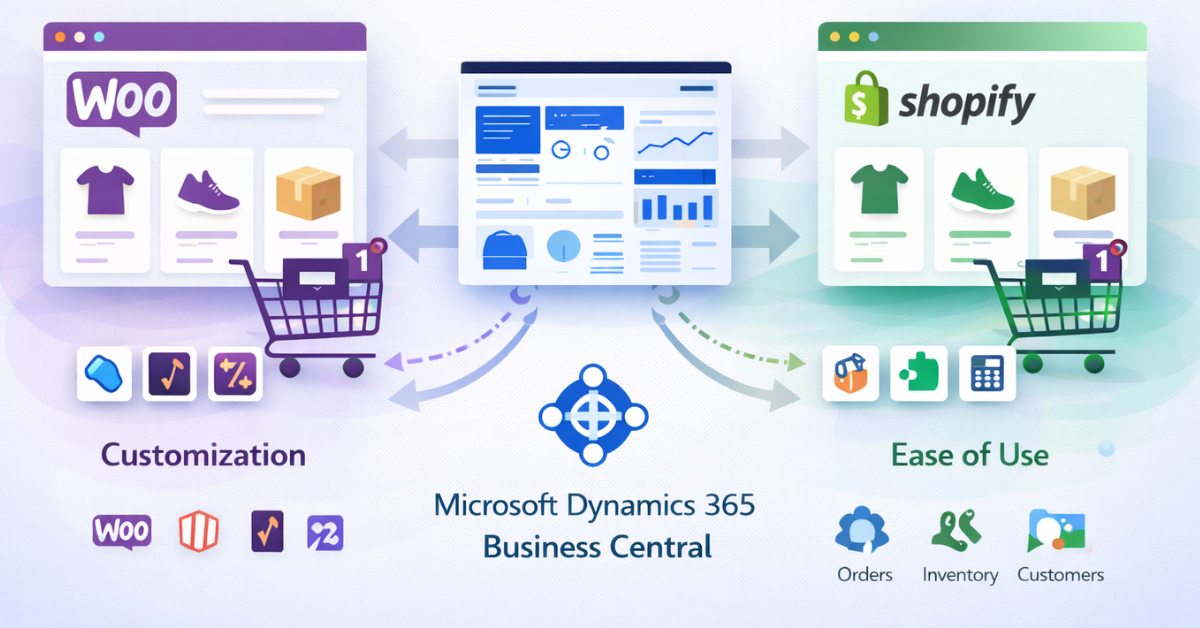
WooCommerce vs Shopify ERP Integration in 2026: Key Differences Explained – WooCommerce vs Shopify ERP integration mainly differs in customization, setup complexity, and system control. WooCommerce offers deeper customization through plugins and APIs.
What ERP Integration Means for eCommerce Stores
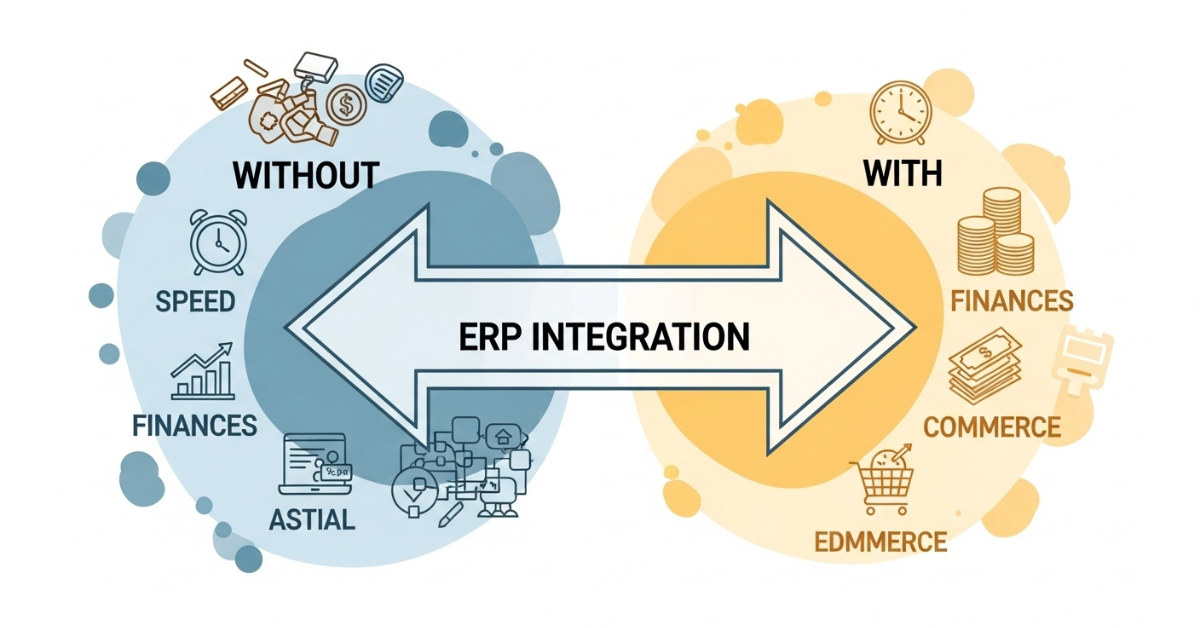
- Automatic order transfer from store to ERP
- Real-time inventory updates after every sale
- Customer information synchronization
- Automated invoice and shipment creation
- Product and pricing updates across systems
WooCommerce ERP Integration Explained
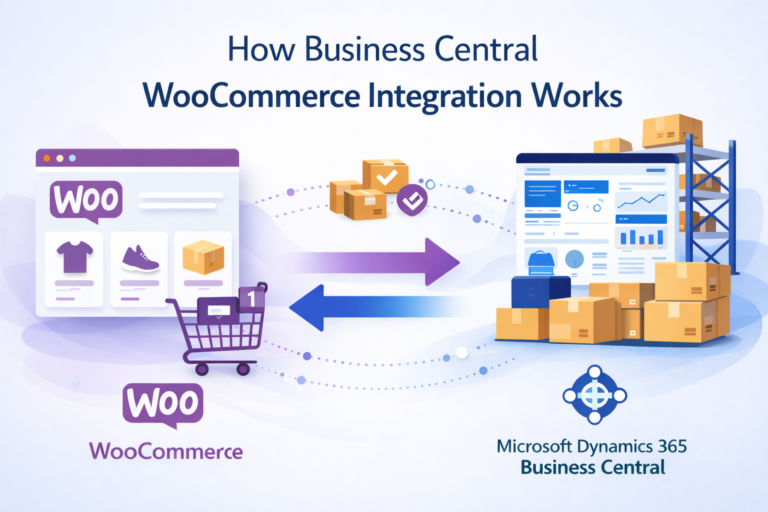
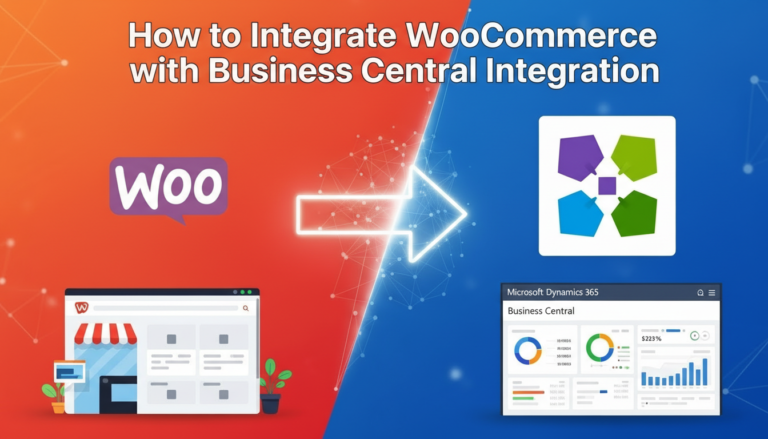
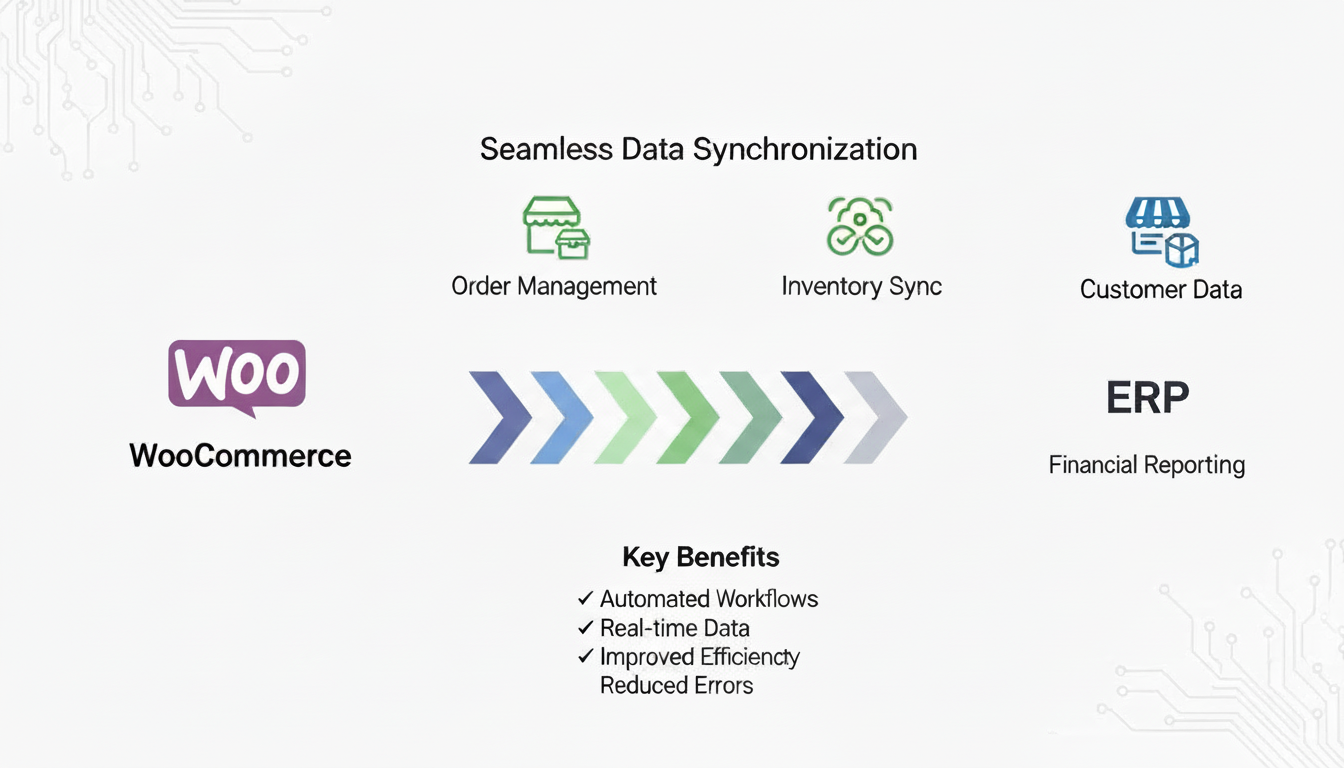 WooCommerce runs on WordPress and is an open-source platform. This means businesses can customize almost every part of the store, including how it connects with ERP systems. WooCommerce vs Shopify ERP Integration with WooCommerce usually happens through connectors, plugins, or API-based integrations. Developers can build workflows that control exactly how data moves between the store and the ERP system. For example, a WooCommerce store can automatically push orders to Microsoft Dynamics 365 Business Central while also pulling inventory updates every 5–10 minutes depending on the integration setup.
Businesses often choose WooCommerce ERP integration because it provides:
WooCommerce runs on WordPress and is an open-source platform. This means businesses can customize almost every part of the store, including how it connects with ERP systems. WooCommerce vs Shopify ERP Integration with WooCommerce usually happens through connectors, plugins, or API-based integrations. Developers can build workflows that control exactly how data moves between the store and the ERP system. For example, a WooCommerce store can automatically push orders to Microsoft Dynamics 365 Business Central while also pulling inventory updates every 5–10 minutes depending on the integration setup.
Businesses often choose WooCommerce ERP integration because it provides:
- Flexible API connections for custom workflows
- Access to thousands of WordPress plugins
- Ability to modify order processing logic
- Greater control over product and pricing data
Shopify ERP Integration Explained
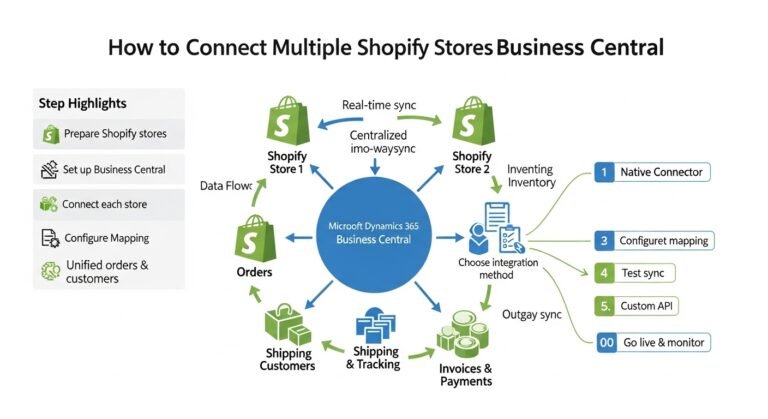
Shopify takes a more structured approach. It is a hosted platform, meaning Shopify manages servers, security, and system updates automatically. ERP integrations usually happen through official apps, middleware solutions, or dedicated connectors that link Shopify with systems like Microsoft Dynamics 365 Business Central. Because the environment is controlled, Shopify integrations are typically faster to deploy. Many connectors allow stores to sync orders, customers, and inventory within a few hours or days instead of weeks. Businesses often prefer Shopify ERP integration because it offers:- Faster setup through prebuilt connectors
- Reliable platform maintenance handled by Shopify
- App-based integrations with minimal coding
- Stable environment for scaling stores
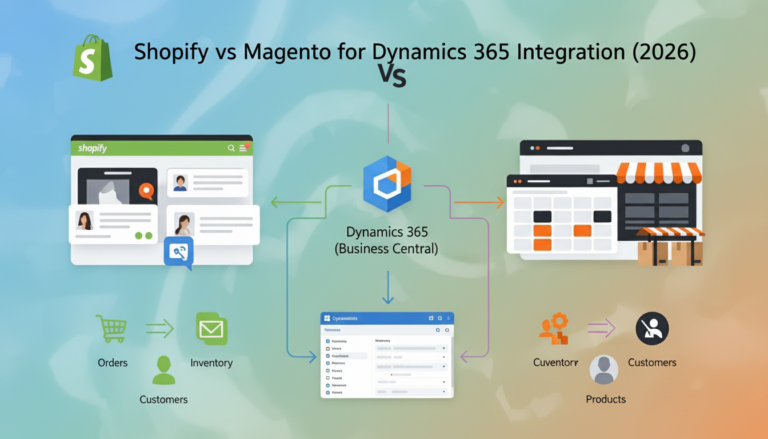
WooCommerce vs Shopify ERP Integration: Key Differences
Although both platforms support ERP integration, their technical structure leads to noticeable operational differences. These differences affect setup time, customization flexibility, and long-term system management. The table below highlights the most important comparison points of WooCommerce vs Shopify ERP Integration.| Feature | WooCommerce ERP Integration | Shopify ERP Integration |
| Platform Type | Open-source WordPress plugin | Hosted SaaS platform |
| Integration Method | APIs, plugins, custom connectors | Apps and middleware connectors |
| Setup Time | 1–3 weeks for custom setups | Often 1–5 days using apps |
| Customization Level | Very high | Moderate |
| Maintenance | Requires hosting and updates | Managed by Shopify |
| Best For | Complex workflows | Simple, structured operations |
Which Platform Works Better with ERP Systems in 2026?
The best platform depends largely on business requirements. Companies that handle complex product catalogs, custom pricing rules, or unique order workflows may benefit more from WooCommerce. On the other hand, businesses that prioritize quick deployment and minimal maintenance often prefer Shopify. When deciding which platform works best for ERP integration, companies usually evaluate several operational factors. Important decision points include:- Expected daily order volume (50, 500, or 5,000+ orders)
- Level of customization needed in workflows
- Internal technical resources available
- Budget for integration development
- Long-term scalability requirements
Common ERP Systems Used with WooCommerce and Shopify
Both WooCommerce vs Shopify ERP Integration can integrate with many ERP systems. However, the integration process depends on available connectors and API support. Many growing online businesses rely on ERP systems to handle finance, inventory management, purchasing, and logistics. Some widely used ERP systems for eCommerce include:- Microsoft Dynamics 365 Business Central
- NetSuite ERP
- SAP Business One
- Odoo ERP
- Acumatica Cloud ERP
Connect WooCommerce or Shopify with Business Central the Smart Way
Running an eCommerce store becomes much easier when your platform communicates directly with your ERP system. At New Wiz Tech, we help businesses connect WooCommerce, Shopify, Magento, OpenCart, Shopware, and nopCommerce stores with Microsoft Dynamics 365 Business Central so products, orders, customers, shipments, and invoices remain fully synchronized. Our integration approach focuses on reducing manual work and preventing data errors that often appear when teams update systems separately. With real-time synchronization, businesses gain better control over inventory levels, order processing, and financial records. We also provide Business Central implementation, customization, and ongoing support so companies can run their operations through a single reliable system that grows with them.WooCommerce vs Shopify ERP Integration in 2026: Key Differences Explained
Understand which eCommerce platform fits your ERP setup best. Learn about customization, integration complexity, and performance considerations in 2026.
Free Consultation SessionFinal Thoughts
WooCommerce vs Shopify ERP Integration, but they solve different business needs. WooCommerce gives companies greater control over how data moves between systems, which is helpful when workflows are complex or highly customized. Shopify focuses on simplicity and faster setup, which works well for businesses that want a reliable system with minimal technical management. What matters most is not only the platform you choose but how well it connects with your ERP system. A properly configured integration keeps orders, inventory, and financial data accurate across systems. With the right implementation strategy and support from New Wiz Tech, businesses can run their entire eCommerce operation more efficiently and scale their processes with confidence.Frequently Asked Questions
What is ERP integration for WooCommerce or Shopify?
ERP integration connects your online store with business management software. Orders, inventory, and customer data automatically sync between the store and the ERP system.What is the difference between Shopify and WooCommerce?
WooCommerce is open-source and highly customizable. Shopify is hosted with structured apps for faster setup but less flexibility.Can WooCommerce handle 50,000 products?
Yes. WooCommerce can handle 50,000+ products if the server, hosting, and database are optimized.Which platform is easier for ERP integration?
Shopify is generally easier because integrations are handled through apps. WooCommerce may require plugins or custom API development.How long does ERP integration usually take?
Basic integrations take 1–5 days, while customized ERP setups can take 2–4 weeks.Can both platforms connect with Microsoft Dynamics 365 Business Central?
Yes, both WooCommerce and Shopify support integration through connectors or APIs.What are the disadvantages of WooCommerce?
WooCommerce requires hosting, plugin management, updates, and sometimes developer support, especially for high-volume stores.Why do eCommerce stores connect with ERP systems?
ERP integration automates order processing, maintains inventory accuracy, and reduces manual data entry.Is WooCommerce more flexible than Shopify for ERP integration?
Yes. WooCommerce allows deeper customization because it is open source, while Shopify has a more controlled structure.Read More:
Shopify Integration with Business Central Full Setup Guide
API vs Connector for Business Central Integration: How to Choose the Right ERP Integration Strategy